A substation’s major components include transformers, circuit breakers, disconnect switches, busbars, insulators, lightning arresters, current transformers (CTs), potential transformers (PTs), and control and protection systems. These components work together to ensure the safe and efficient transmission and distribution of electrical power
Detailed look at some key components:
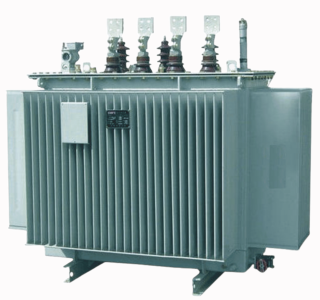
Transformers: Substations utilize transformers to step up or step down voltage levels, enabling efficient power transmission over long distances and subsequent distribution to consumers.
Circuit Breakers: These are crucial for protecting the substation and the connected circuits from damage caused by overcurrent’s or short circuits. Circuit breakers can quickly interrupt the flow of electricity when a fault is detected.
Disconnect Switches (Isolators): These switches are used to isolate sections of the substation for maintenance or repairs, allowing for safe work on specific equipment without interrupting power to the entire substation.
Busbars: These are conductive bars that serve as a common connection point for multiple circuits within the substation, facilitating the distribution of electricity.
Insulators: Insulators are used to support and isolate electrical conductors, preventing unwanted current flow and ensuring safe operation.
Lightning Arresters: These devices protect the substation’s equipment from damage caused by lightning strikes by providing a path for the lightning’s surge current to travel to ground.
Current Transformers (CTs): CTs are used to step down the high currents in power lines to lower levels that can be safely measured by meters and protective relays.
Potential Transformers (PTs): PTs step down the high voltages in power lines to lower levels for measurement and relaying purposes.
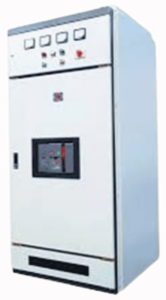
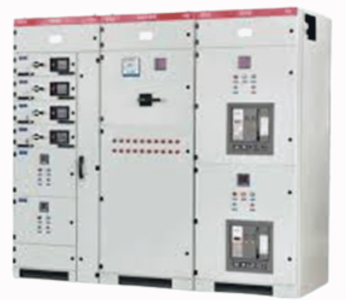
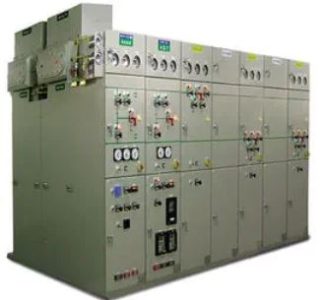
Control and Protection Systems: These systems include relays, meters, and control panels that monitor the substation’s operation and provide protection against faults and abnormal conditions.
Other Components: Substations may also include capacitor banks for power factor correction, reactors for voltage control, and various other auxiliary equipment depending on the specific substation’s design and function.